
For a brand so seemingly embedded in the traditional crafts and imagery of Britain and Ireland, you may be surprised to learn that Wild Lea was born in the Republic of Korea.
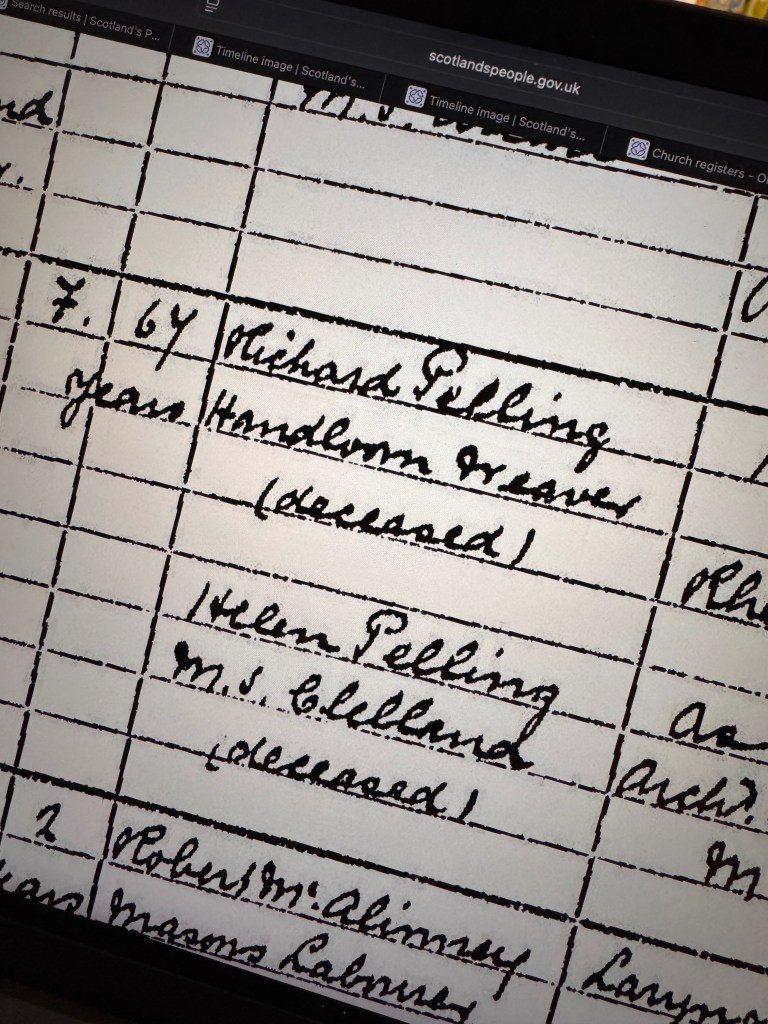
Sitting in a cafe, attempting to write, but allowing myself to be distracted by family research, my heart swelled with realisation of who had come before me. I saw that I come from a line of weavers, sewing machinists, and even slipper makers, and suddenly my fascination with fabric became clear. My lifelong fascination with cloth and making felt less like coincidence and more like inheritance.
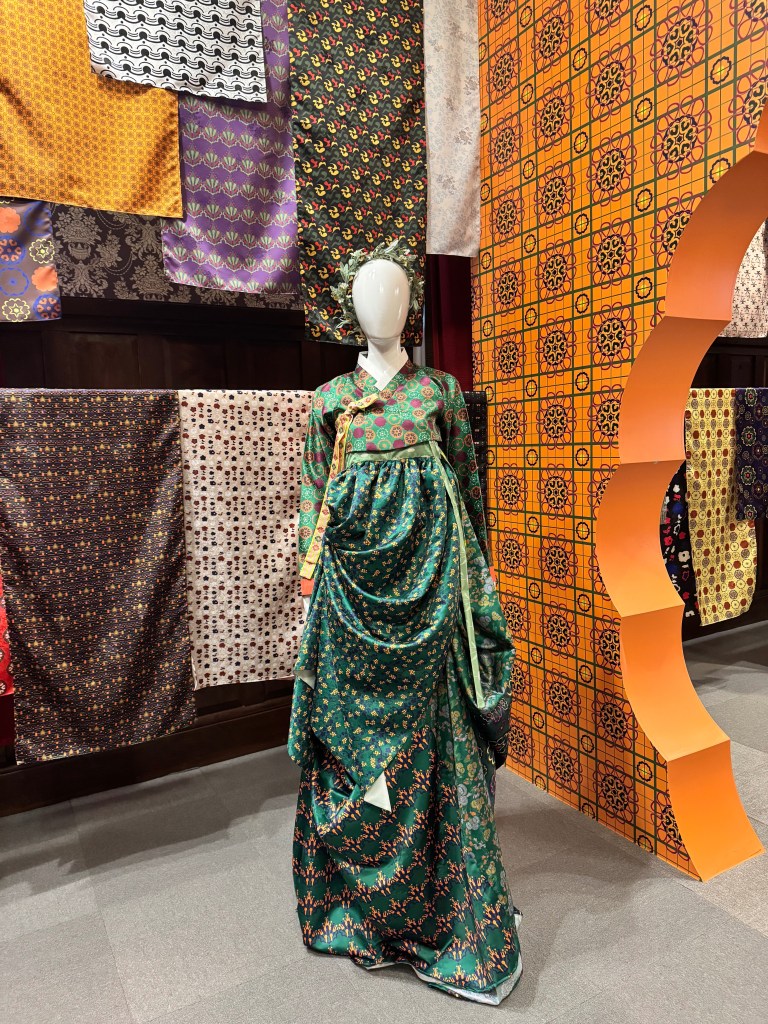
Over recent years, I have spent many months in South Korea, learning about the history, culture, traditions, and crafts, as well as attempting to learn the language. My primary reason for being there has always been to write – it is the place that freed me from writer’s block, so until I could write again in my homeland, I would do everything in my power to visit Seoul whenever I could.
But this trip was different. My creativity was exploding in ways I have not experienced before. It felt like everything was coming together – I was finally realising what the bigger picture was for me. I am not surprised it happened in Korea as I have always found the Korean approach to craft and tradition incredibly inspiring. I love the way Korean artists reinterpret and represent traditional crafts and imagery through the generations. Researching my ancestry in that environment inspired me to think about the world that surrounds me and the world that surrounded my ancestors.
More than that, Korea has now become part of my story and my inspiration and therefore part of my world, so I recognise that the country is woven into everything I do with Wild Lea. I embrace all that I can learn from the culture that inspires me so much.
Sitting in that cafe in Seoul, surrounded by notes and family records, I realised Wild Lea was not simply a brand idea. It was a way of carrying forward the stories, skills, and curiosity that had shaped both my ancestors and myself.
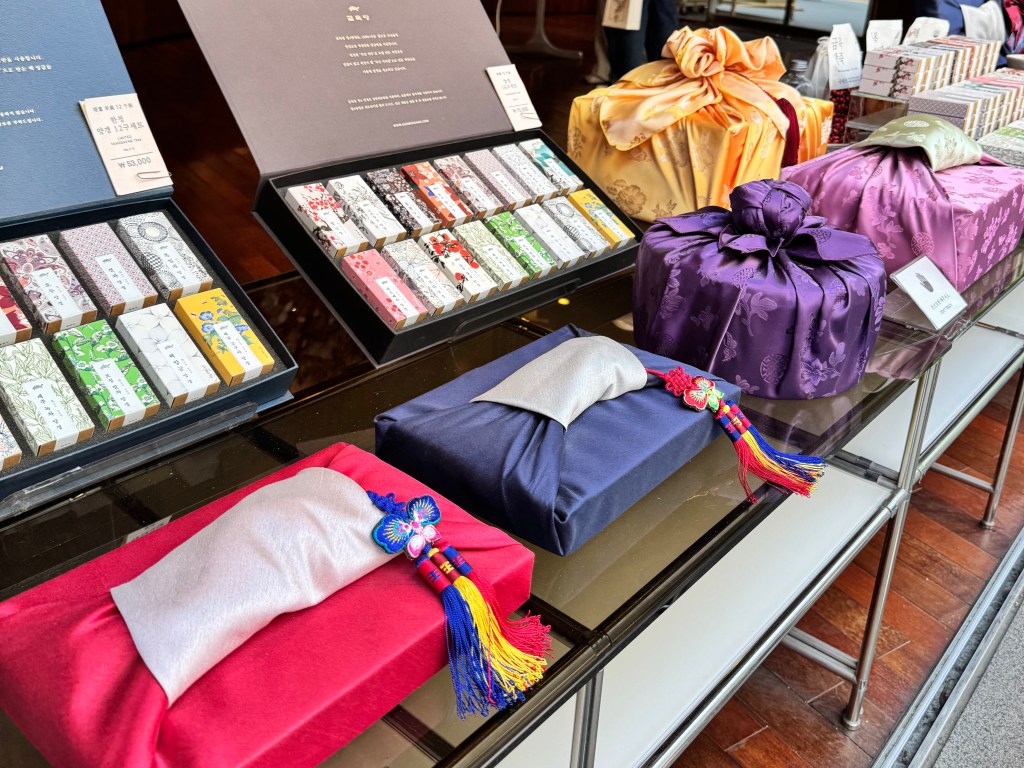
I have noticed echoes of familiar design principles in Korean traditional crafts. The intricate knotwork of Maedeup (매듭), the decorative tassels of Norigae (노리개), and the wrapping traditions of Bojagi (보자기) all speak to ideas I recognise from my own cultural inheritance: carrying, binding, adorning, protecting, and transforming everyday objects through skilled making.
I look forward to exploring how different traditions of making can be brought into conversation through contemporary design.
Weaving Together
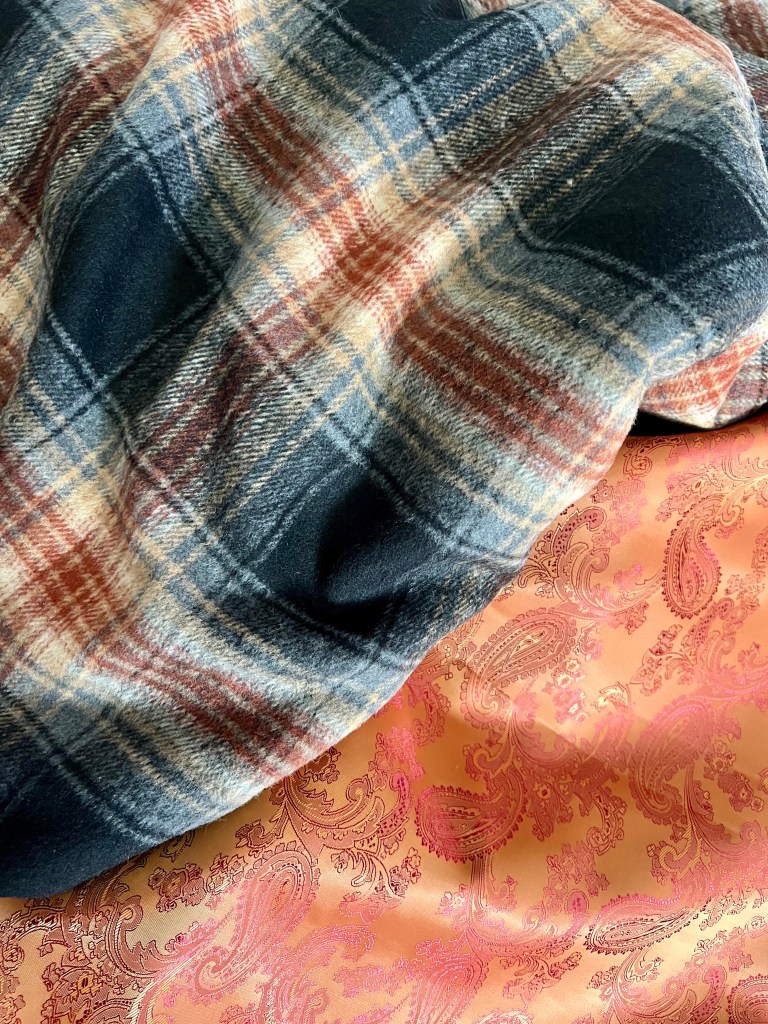
What once felt separate (ancestry, place, curiosity, and making) begins to reveal itself as a single thread. Creativity does not always begin with invention, but with recognition: of what has already been forming beneath the surface.

